Top Tips for Hockey Betting in Canada: What You Need to Know
Did you know that over half of all sports bets placed in Canada during the winter months are on hockey? Hockey betting Canada lets you wager on everything from the NHL’s big games to local junior leagues, with simple options like money lines, puck lines, and over/under goals. You pick your team, set your stake, and watch the action live while your bet updates in real time. The real perk is the live in-game betting, letting you adjust your strategy as the momentum shifts on the ice.
What Makes Hockey Wagering in Canada Different From Other Sports
What makes hockey betting in Canada distinct is the sport’s rhythm and scoring frequency, which fundamentally alters in-game strategy compared to football or basketball. With hockey betting Canada, you must account for puck line wagering as a default, since the 1.5-goal spread creates a binary where favorites often win by exactly two. Unlike baseball’s run-line, hockey’s empty-net goals and late power plays swing outcomes in bursts, so live betting demands you track momentum shifts, not just possession stats. Crucially, the “anytime goal scorer” market is uniquely volatile, because a single deflection or tip-in can cash a bet in under three seconds—something no other Canadian sport offers. You also must weigh goalie pulls, where a trailing team’s desperation often yields a flurry of shots that alters over/under totals faster than any other game clock. Ignore shootout implications for regulation bets, and always target divisional matchups, where rivalry intensity skews expected goal rates higher than models predict.

Understanding the Unique Odds Formats Used for NHL and Junior Hockey Markets

Understanding the unique odds formats used for NHL and Junior hockey markets starts with recognizing that Canadian books often display American odds for NHL moneylines, while Junior leagues like the QMJHL or WHL may default to decimal odds depending on the platform. This split creates confusion for bettors wagering across both tiers. For NHL puck lines, the -1.5/+1.5 spread is standard, but Junior hockey frequently uses a 3-way regulation line with different payout structures due to frequent overtime. Additionally, Junior hockey goal totals are typically inflated in odds, reflecting higher scoring variance, so you must adjust your stake sizing when converting between formats. Always check whether a prop is offered in decimal or fractional odds before placing a multi-league parlay, as misreading one format can skew your entire risk calculation.
How the 3-on-3 Overtime and Shootout Rules Shift Your Betting Strategy
In Canadian hockey betting, the 3-on-3 overtime shift dramatically changes how you wager on the moneyline and puck line. Because the regular season guarantees a winner, you can’t rely on regulation draws. Instead, target teams with elite skaters and puck movers, as they thrive in open ice and end games quickly. Avoid betting heavy favorites at high prices—their odds don’t justify the shootout risk. For live betting, pounce on underdogs when a star defender is caught on a long shift, as fatigue spikes scoring chances. Always check each goalie’s shootout save percentage before placing a total; this unique format inflates goals, so lean over on close matchups.
Shootout leverage
- Fade teams with weak shootout goalies in “even” matchups.
- Bet underdogs on the moneyline if their top line excels in 3-on-3.
- Take the over on totals when both teams have offensive depth and shaky backups.
- Hedge your regulation bet with a live play on the opponent once overtime starts.
How to Read and Interpret Puck Line Bets for Maximum Value
To get maximum value on puck line bets in Canada, stop treating +1.5 as a default safety net. Instead, read the line relative to the moneyline: if a favorite sits at -200 but the puck line is only -140, the extra goal of insurance is overpriced—skip it. For underdogs, look for spots where a team is plus-money on the ML but only +180 on +1.5; that gap signals a likely one-goal game, so the plus-1.5 becomes a smart hedge. Also, check regulation-win trends—many Canadian teams force overtime at high rates, which makes +1.5 far more valuable than the odds suggest. Finally, compare puck lines across multiple books; a +1.5 at -150 on one site versus -120 elsewhere is pure profit in hockey betting Canada, but only if you shop around every time.
When to Fade the Favorite on the 1.5-Goal Spread
Fading the favorite on the 1.5-goal spread works best when the market overrates a team’s recent blowout wins, especially on the second night of a back-to-back or against a disciplined defensive system. Look for spots where the favorite’s expected goals drop sharply—like when their top line is cold or the underdog thrives in low-event games. If the puck line sits at plus-money on the favorite, the books are telling you the two-goal cushion is unlikely. Target underdogs with elite goaltending who keep games tight, and check if the favorite’s win probability is inflated by public betting. When the spread feels too wide for the matchup’s actual shot quality, fading is your value edge in Canadian hockey betting.
Using the Alternative Puck Line to Improve Your Payout Potential
The alternative puck line lets you adjust the standard ±1.5 goal spread, directly improving your payout potential when you read the game flow correctly. Instead of laying heavy juice on a heavy favorite at -1.5, you can take them at -2.5 for a significantly higher return, provided you anticipate a blowout. Conversely, backing a underdog at +2.5 rather than +1.5 reduces your risk and boosts the odds, paying more than the moneyline in tight, low-scoring matchups. For Canadian bettors, targeting alternative lines in divisional rivalries, where teams often collapse defensively, is a key method to maximize value on puck line wagers without sacrificing probability entirely.
Finding the Best Totals (Over/Under) Spots in Canadian Hockey Games
When scouting best totals spots in Canadian hockey games, focus on back-to-back spots where fatigue kills defensive structure, especially for western teams flying east. For hockey betting canada, target unders in divisional matchups like Calgary versus Edmonton, where familiarity chokes odd-man rushes. Conversely, overs shine when a weak backup goalie starts on a team like Ottawa or Montreal against a fast transition club—check morning line changes confirming the starter. Also, monitor travel: an Eastern squad’s first game in Vancouver after a long road trip often sees sloppy play, pushing totals over late. Skip any game with a playoff clinch scenario, since teams tighten up. Stick to these situational filters, and you’ll find value in the number instead of chasing every puck line.
Why the 6.5 Total Becomes a Key Number in High-Scoring Matchups
In high-scoring Canadian hockey matchups, the 6.5 total is pivotal because it separates expected offensive explosions from inflated public overreactions. When two elite offensive teams meet, oddsmakers often set the number at 6.5, creating a value threshold—if you project seven or more goals, the over at 6.5 offers better odds than at a juiced 6.0, while the under becomes a contrarian play only if goaltending or defensive adjustments emerge. This half-goal line also protects bettors from push scenarios, as a 3-3 regulation tie pushes at 6.5, but loses at 7.0. Key number status means the vig shifts disproportionately, so sharp bettors wait for 6.5 rather than chasing lower totals.
- Six-goal games—common in high-scoring Canadian matchups—win the over at 6.5 but lose at 7.0.
- Oddsmakers shade 6.5 to attract under money, creating subtle over value when both teams rank top-five in goals per game.
- Late-game empty-net scenarios at 5-5 or 6-6 directly decide whether the 6.5 bet cashes.
Analyzing Home-Ice Advantage and Travel Fatigue for Goal Projections
To sharpen goal projections in Canadian hockey betting, weigh home-ice advantage against travel fatigue as a dynamic trade-off, not a static stat. A Western team landing in Toronto after a late flight often leaks early-period goals, while a rested host riding a three-game homestand tightens defensive execution. Track distance, time zones, and schedule density—back-to-backs amplify fatigue, but a Pacific squad acclimated to Eastern starts can neutralize that edge. Adjust totals upward when a weary visitor faces a disciplined home penalty kill; lower them when the road team’s travel is short and the host is flat. This granular read turns travel data into precise over/under bets.
Home-ice value shifts with travel load—factor in miles, rest, and time-zone jumps to project goals accurately.
Profitable Strategies for Live and In-Game Hockey Wagers
For profitable in-game hockey wagers in Canada, focus on live puck-line shifts after early goals, as odds often overreact and create value on the favourite’s comeback. Target the second-period moneyline when a team is trailing by one but outshooting their opponent, since shot quality drives regression more than score effects. In Canadian markets, the five-on-five goal market is sharper than total goals, so bet live unders when power-play opportunities are scarce late in the third. However, the most reliable edge emerges from fading public live bets on the hometown team during neutral-site or late-night games, where sharp money moves the line before you act. Always compare sportsbook app prices in real-time, because inter-market gaps between Ontario and Western Canadian books often exceed 5% on in-game goals. Bankroll management via flat units per period and skipping the first five minutes of each frame are non-negotiable for sustaining profitability across the season.
Betting the Next Goal Market When a Team Dominates the First Period
When a team controls the first period, the next goal market often offers value on the favourite, but only if their shot share exceeds 60% and they have sustained offensive-zone pressure. In hockey betting Canada, live odds adjust slowly, so placing a bet immediately after a power play kill or a flurry of chances can lock in a better price. However, a dominant period ending 0-0 often signals an overperforming goalie, making the next goal less predictable than the shot differential suggests. Focus on teams that generated high-danger chances, not just possession, and avoid wagering if the trailing team has a top-tier netminder. Live next goal wagering thrives on momentum shifts, but only when the underdog shows no counterattack threat.
Using the Moneyline During a Two-Goal Comeback for a Safer Entry

When a team trails by two goals in the second or third period, the live moneyline often still offers positive odds, creating a safer comeback entry than chasing puck lines. Instead of betting the favorite at a heavy price, you back the trailing side’s moneyline immediately after the second goal—before momentum shifts. This entry caps your risk because the odds reflect only the deficit, not the game’s flow. You win if the team ties or wins in regulation, avoiding overtime pitfalls. For Canadian bettors, target teams with high shot volume and a power play upcoming. A two-goal cushion historically invites a defensive shell, which the trailing team can exploit.
- Wait until the second goal is scored, then lock the moneyline before the next TV timeout.
- Only enter if the trailing team has 10+ shots on goal and a power-play opportunity within 5 minutes.
- Cash out or hedge once the score reaches 3–2, locking profit if the comeback stalls.
Applying Player Prop Bets to Specific Canadian Rosters and Lines
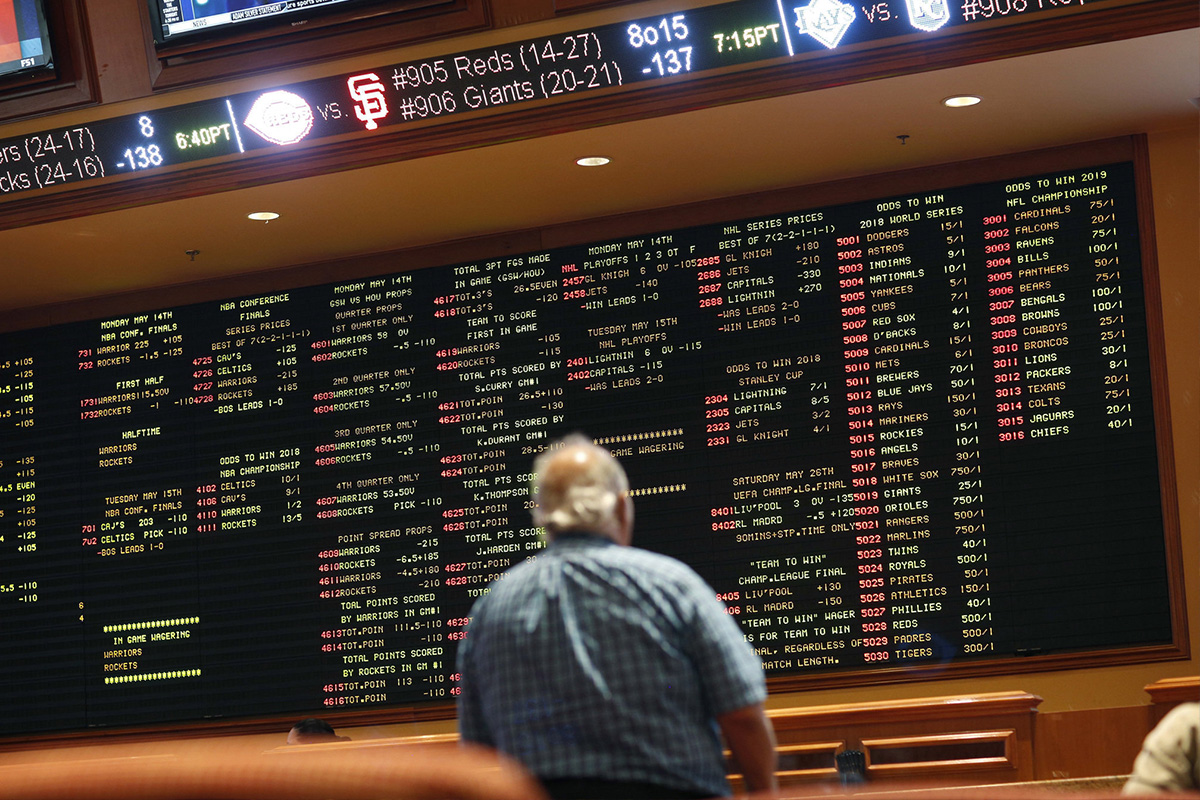
Applying player prop bets to specific Canadian rosters and lines in hockey betting Canada requires dissecting line combinations, not just star power. When the Maple Leafs stack Matthews with Marner, their individual shot and point props often hit higher due to increased zone time and power-play cohesion. For the Jets, target Nikolaj Ehlers’ skating prop when he’s on a fast transition line against a slower defensive pair. The Oilers’ top unit, with McDavid and Draisaitl, inflates assist props for both, but check even-strength splits—their prop values drop significantly when the power play expires. Canadian teams often juggle lines mid-game, so wager on props tied to the first two periods, before coaching adjustments disrupt deployment. Always verify the latest line rushes at morning skate; a demotion to the third line instantly devalues a winger’s goals prop, while a promotion to a playmaking center boosts it. Focus on divisional matchups where Canadian rivals’ physical play alters shot totals.
Targeting Shots on Goal Props for Top-Six Forwards on the Road
When targeting shots on goal props for top-six forwards on the road, prioritize linemates’ shot volume over the opponent’s defensive rank, as road deployment often shifts matchups. For Canadian rosters, target forwards who log over 18 minutes away from home, since coaching staffs rely on them to generate offense against tighter checking. Road shot props for top-six forwards gain value when the opposing goaltender faces a high volume of low-danger attempts, inflating total shots for the line.
- Check the last five away games for shot totals exceeding 3.5.
- Verify power-play unit time, as road teams often draw more penalties.
- Compare the forward’s shot rate against bottom-pairing defensemen, who struggle to clear the crease.
The line’s shot correlation is stronger on the road than at home due to last-change disadvantages. Fade forwards who block shots at 2.0 per game, as this suppresses attempts.
Evaluating Goalie Save Percentage Props Against Backup Netminders
When sizing up goalie save percentage props, don’t just look at the starter—dig into who’s backing up. A backup netminder often faces a higher shot volume against Canadian rosters that push pace, but their save percentage props against backup netminders hinge on how long they’ve been cold. Check if the backup has played in the last week; rust sinks numbers fast. Also, factor in the starter’s workload—if he’s starting back-to-back, the backup might see a tired defensive core in front of him, inflating shots but not saves. Target unders when the backup faces a gambleonline.ca/sports-betting top-six line with elite shooting talent, especially on the road where home ice can rattle rhythm. Shot quality matters more than raw saves here—highlight those high-danger chances.
Backup goalie save props are a trap unless you verify recent ice time and opponent shot quality—lean unders against fast Canadian lines when the backup is cold.
Bankroll Management Tips Tailored for the Hockey Season’s Ups and Downs
The NHL marathon punishes flat bettors, so in Canadian hockey betting, scale your wagers to the schedule’s rhythm. During the early-season chaos—when lines are soft and goalie rotations blur—keep units at 1% to 2% of your bankroll, testing trends without bleeding cash. Come playoff crunch time, where puck-line value tightens and momentum swings are brutal, bump your confidence plays to 3%, but only after you’ve banked profits from the regular season’s quieter stretches. Always split your roll into weekly slices, because a five-game losing skid in November shouldn’t derail your April bankroll. Q: How do I handle a cold streak in hockey betting Canada? A: Drop to half units for two weeks, forcing yourself to re-evaluate team xG and special-teams splits before returning to normal sizing. Ride divisional rivalries—those three-game sets swing wildly—by capping your exposure per night, never exceeding 5% of your total stake, and you’ll survive the grind into May.
Flat Betting vs. Percentage Staking for a 7-Game Road Trip Stretch
For a 7-game road trip stretch, flat betting risks stagnation, while percentage staking protects your bankroll during inevitable cold streaks. With flat betting, you wager a fixed $50 per game regardless of momentum—simple but vulnerable if the team drops four straight in Alberta. Percentage staking adjusts each wager to your current balance (e.g., 2% of $2,000, then 2% of $1,900 after losses), which naturally slows losses and compounds wins. For a road trip, follow this sequence:
- Set your base unit (2–3% of starting bankroll)
- Recalculate after every game
- Cap percentages on heavy-favorite nights
Caution: percentage staking demands strict discipline on a back-to-back set, where fatigue skews your edge. Choose flat only if you pre-allocate a separate road-trip budget, but percentage staking aligns better with the NHL’s volatile west-coast swings.
Setting a Separate Budget for Same-Game Parlays in Playoff-Style Matchups
For playoff hockey, where momentum swings and overtime drama spike unpredictability, treat same-game parlays as a distinct expense line—not a tap on your general bankroll. Allocate a fixed 5–10% of your seasonal funds specifically for these multi-leg wagers, and cap each individual bet at 2% of that sub-budget. This prevents a hot streak in one series from tempting you to cannibalize funds earmarked for straight bets. Crucially, refreeze this playoff parlay pool after every round; do not roll over losses or wins, forcing a reset that mirrors the series structure. Track each ticket separately to identify if your SGP selections—like goal-scorer plus total shots—actually outperform single wagers during the post-season’s tighter checking and goalie rotations.
| Parlay Pool Rule | Playoff-Specific Rationale |
|---|---|
| Cap pool at 10% of bankroll | Limits cascade losses from multi-leg variance in sudden-death games |
| Reset after each series | Prevents emotional carryover from a Game 7 upset |
| Max 2% per SGP ticket | Keeps one bad correlation (e.g., two empty-net goals) survivable |
By isolating this budget, you can measure playoff SGP profitability without distorting your core hockey betting cadence.